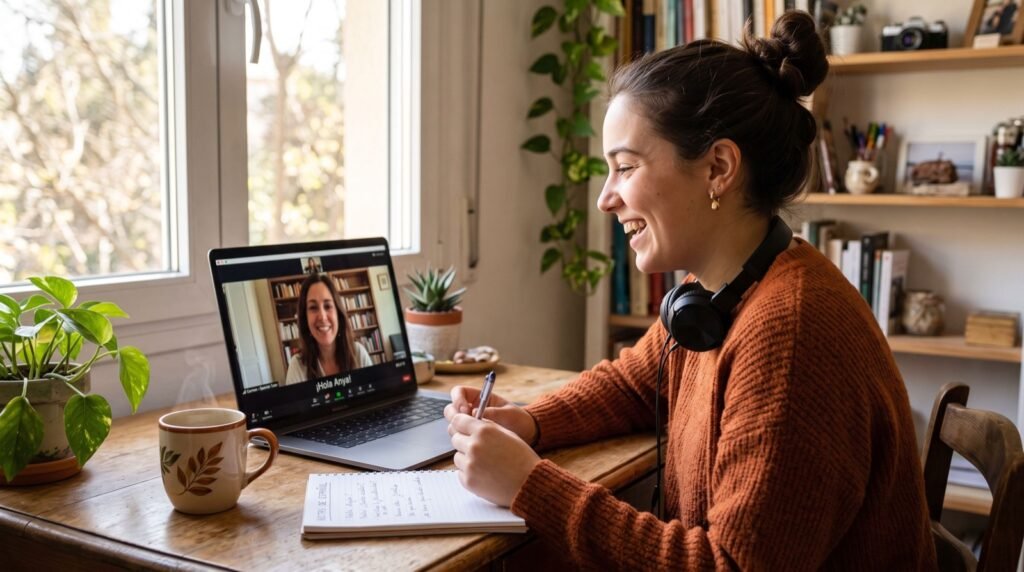
Online Language Classes: How to Learn a New Language in 2026
Online language classes have opened the door to fluency for millions of learners who once thought mastering a second language was out of reach. From English and Arabic to French, German, and Mandarin, you can now study with skilled instructors from your living room, on your own schedule, and at a fraction of the cost of traditional institutes. This 2026 guide explains how online language learning works, what makes it effective, and how to pick the right class for your goals.
Language skills have real value. They boost employability, unlock travel and migration opportunities, and sharpen the brain. The question for most people is no longer whether to learn, but how to learn efficiently without wasting time or money. Online classes answer that question better than ever.
Why Online Language Classes Work So Well
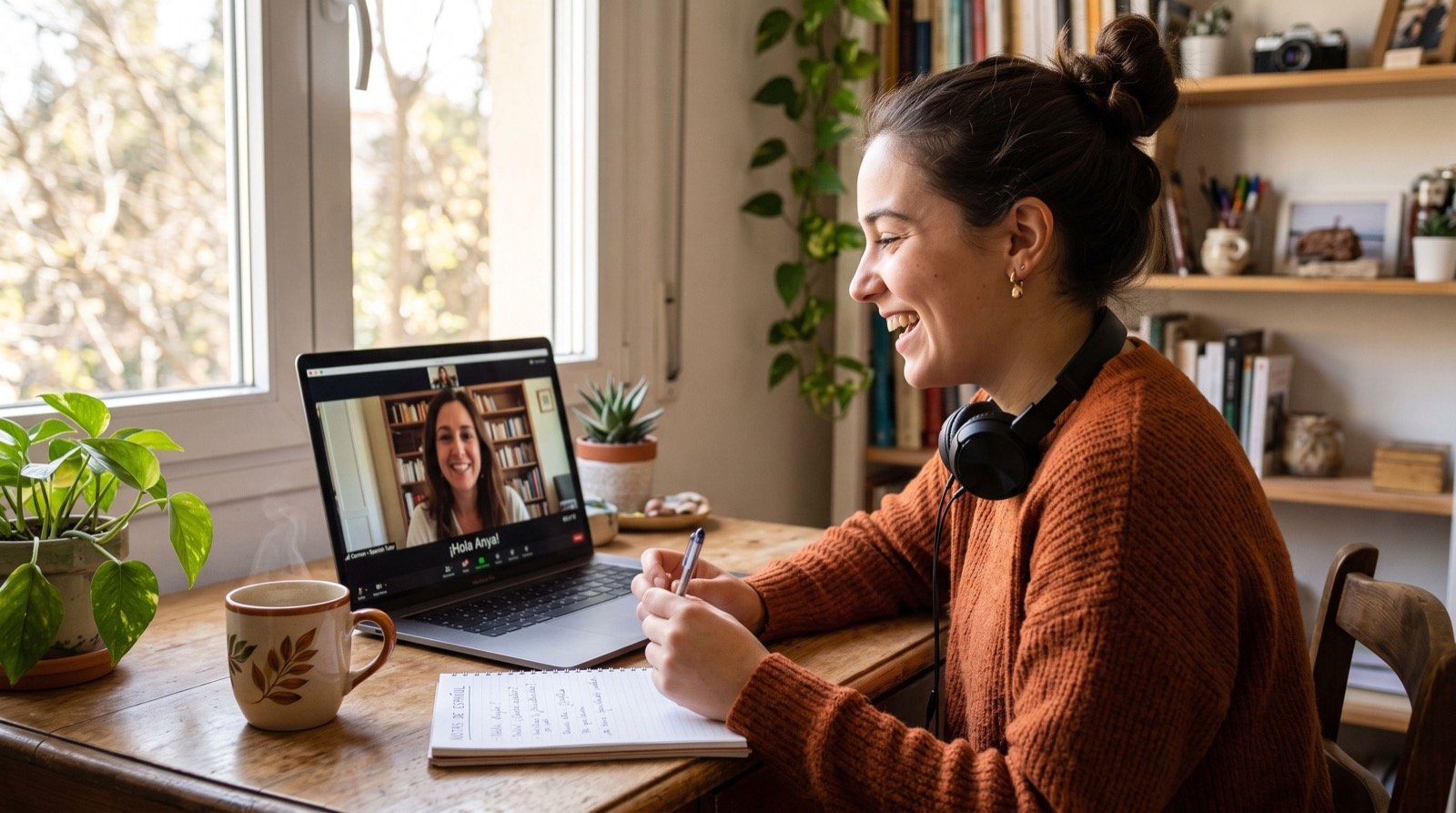
Good online language classes combine structure, interaction, and repetition, the three ingredients research consistently links to fluency. Live video lessons let you practise speaking in real time, while digital tools handle vocabulary drills and grammar review between sessions.
- Speaking practice: Real conversation with a teacher builds confidence fast.
- Flexible timing: Fit lessons around work, school, or family life.
- Personalised pace: A tutor adjusts to your level instead of a fixed class speed.
- Global access: Learn from native or near-native speakers anywhere.
- Lower cost: No commute and smaller overheads mean better value.
According to the Common European Framework of Reference for Languages (CEFR), learners progress fastest when lessons blend all four skills, listening, speaking, reading, and writing, in regular, measurable steps. A well-designed online course builds exactly this balance into every session.
Choosing the Right Format for Your Goals
Not every learner needs the same setup. A professional preparing for an IELTS exam has different needs from a traveller wanting conversational basics. Match the format to your target.
One-on-One Private Lessons
Private classes give you the teacher’s full attention and a fully customised plan. They cost more per hour but deliver the fastest progress, especially for exam prep or specific professional vocabulary.
Small Group Classes
Groups of three to six learners keep costs down and add peer conversation practice. They suit social learners who enjoy speaking with others at a similar level.
Self-Paced Plus Live Support
Many platforms now blend recorded lessons with weekly live sessions. You study independently, then join a tutor to practise speaking and clear up doubts, a cost-effective middle path.
Comparing Online Language Learning Options
The table below summarises the main formats so you can weigh cost against speed and personalisation.
| Format | Best For | Relative Cost | Progress Speed |
|---|---|---|---|
| Private one-on-one | Exams, fast fluency | High | Fastest |
| Small group | Conversation, budget | Medium | Moderate |
| Self-paced + live | Flexible schedules | Low–Medium | Moderate |
| App only | Vocabulary basics | Low | Slow for speaking |
Apps are great for daily vocabulary, but they rarely build real speaking confidence on their own. The strongest results come from pairing structured online language classes with a live teacher who corrects pronunciation and keeps you accountable.
How to Get the Most From Your Classes
Enrolling is only step one. Consistency and active practice decide how far you go. Follow these habits to accelerate your progress in 2026.
- Study little and often: Twenty focused minutes daily beats one long weekly session.
- Speak from day one: Do not wait until you feel ready; mistakes are part of learning.
- Immerse yourself: Watch shows, listen to podcasts, and label objects at home.
- Review regularly: Space out vocabulary review to lock words into memory.
- Set milestones: Aim for CEFR levels like A2 or B1 to track clear progress.
Choosing the right provider matters too. Look for a platform backed by an experienced local team that vets its teachers, offers trial lessons, and provides a clear curriculum rather than ad hoc sessions.
Who Benefits Most From Online Language Classes?
Almost everyone, but a few groups gain especially large returns. Students preparing for study abroad need certified language scores. Professionals targeting Gulf or European jobs need workplace fluency. Travellers want practical conversation skills. Even children pick up accents and vocabulary faster through regular, playful online sessions.
For learners in Pakistan, combining language study with expert academic support is easy. Many families book experienced online tutors in Islamabad for both languages and school subjects through a single trusted platform, keeping scheduling and payment simple.
Building a Daily Language Habit That Sticks
The learners who succeed are rarely the most gifted; they are the most consistent. Turning study into a daily habit removes the need for willpower and makes progress almost automatic over the months.
- Anchor practice to a routine: Attach ten minutes of vocabulary to your morning coffee or commute so it never gets skipped.
- Use spaced repetition: Flashcard apps resurface words just before you forget them, which locks them into long-term memory.
- Keep a speaking journal: Record a short voice note in your target language each day and review it weekly to hear real improvement.
- Find a practice partner: A friend, classmate, or tutor keeps you accountable and makes conversation less intimidating.
- Reward milestones: Celebrate reaching a new CEFR level to stay motivated through the harder plateaus.
Even fifteen focused minutes a day compounds dramatically. Over a single year, that habit adds up to more than ninety hours of practice, enough to move most learners from beginner to confident conversation. Pair this routine with regular live lessons and your progress will accelerate well beyond app-only study.
Frequently Asked Questions
How long does it take to become fluent through online language classes?
It depends on the language and your effort. With consistent daily practice and regular lessons, most learners reach conversational B1 level within six to twelve months. Harder languages take longer.
Are online language classes as effective as in-person ones?
Yes, often more so. Live video gives you real speaking practice, while recordings and apps reinforce vocabulary between sessions. The key is regular interaction with a qualified teacher.
Which language should I learn first?
Choose based on your goals. English and IELTS prep suit study and migration, Arabic suits Gulf careers and religious study, and French or German open European opportunities. Pick the one with the clearest payoff for you.
Do I need special software for online classes?
No. A device with a camera, a stable internet connection, and a common video app are enough. Many platforms add a built-in whiteboard and shared materials.
Conclusion
Online language classes have made fluency achievable for anyone with a device and the will to practise. By matching the format to your goals, studying consistently, and learning with a vetted, qualified teacher, you can reach real conversational confidence faster than you might expect in 2026. Choose a trusted platform, book a trial lesson, and take the first step toward your new language today.